
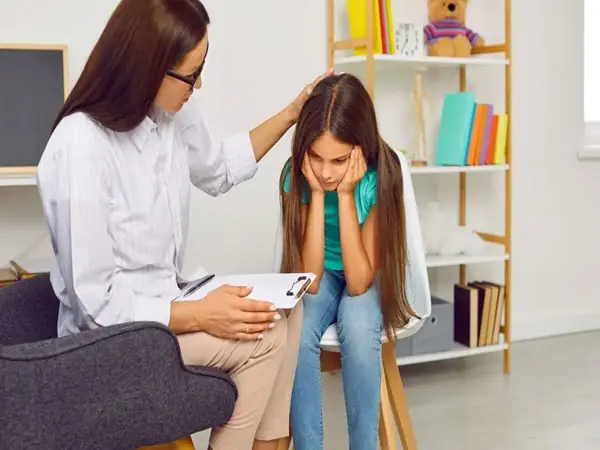
25 Dec How to Know If Your Child Needs a Therapist: 10 Signs, & Support
Kids go through many emotional and behavioral changes during their development.
At times, they may experience mood swings, fears, aggression, or become more oppositional than usual.
These feelings and behaviors are often considered normal parts of growing up.
However, many parents begin to wonder how to know if my child needs a psychiatrist or how to know if your child needs a therapist when these changes become intense, last longer than expected, or start interfering with daily life.
In such situations, mental health support should be considered.
Many parents also find themselves asking, should my child see a therapist or psychologist, and often delay seeking help in the hope that the problem will resolve on its own.
One reason kids mental disorders are overlooked is that they are more common than most people realize.
Stress related to academics, changes in family dynamics, peer relationship difficulties, trauma, or even organic causes can negatively affect a child’s emotional stability.
Ignoring these issues may cause the child to struggle further with learning, relationships, and self-esteem.
Deciding to seek professional mental health support isn’t a sign of failure; it’s one of the most proactive and loving steps you can take for your child’s future.
However, knowing when to bridge the gap between “wait and see” and booking an appointment can feel overwhelming.
In this post, we’re breaking down 10 clear signs when should a child see a psychiatrist—from subtle shifts in personality to more urgent red flags—and how getting the right help early can make all the difference.
10 Signs Your Child Needs A Psychiatrist
It is often difficult for parents to distinguish between typical “growing pains” and symptoms that require professional help.
While a therapist or counselor is often the first stop for emotional support, a child psychiatrist—who is a medical doctor—is typically consulted when symptoms are severe, persistent, or potentially require medical diagnosis and medication.
Here are 10 signs that it may be time to seek a psychiatric evaluation for your child:
1. Big Changes in Mood That Don’t Go Away
Sudden or lasting changes in a child’s behavior—such as persistent sadness, irritability, anger, or withdrawal lasting several weeks—should not be ignored.
These mood shifts may indicate emotional distress rather than a temporary phase.
Consulting a mental health professional can help uncover the underlying issue and provide the right emotional support.
This is one of the common signs your child needs to see a therapist.
2. Constant Worry, Fear, or Anxiety
Occasional worries are a normal part of childhood. However, when fear becomes overwhelming, it can start to interfere with daily life.
If a child begins refusing to go to school, avoids friends, or has ongoing trouble sleeping, it may be time to seek professional help.
Persistent anxiety is one of the key signs your child needs a psychologist.
3. Trouble Sleeping or Eating
Ongoing sleep problems, frequent nightmares, or significant changes in appetite can affect a child’s mental and physical health.
When these issues continue for a long time, they may signal emotional stress or anxiety and should not be overlooked.
4. Sudden Decline in Academic Performance
If a child who previously performed well in school begins to struggle with concentration, homework, or understanding lessons, it may reflect emotional or psychological challenges rather than a lack of ability.
Such changes can be an early answer to the question, when should my child see a psychiatrist?
5. Anger Outbursts or Aggressive Behavior
Frequent temper tantrums, hitting, biting, or destroying objects—especially beyond what is typical for the child’s age—may indicate difficulty managing emotions.
Professional guidance can help a child learn healthier ways to express feelings.
6. Withdrawal from Social Activities or Loss of Interest
If a child stops engaging in activities they once enjoyed or avoids spending time with friends and family, it may be a sign of anxiety, sadness, or depression.
Social withdrawal is often among the important signs your child needs to see a therapist.
7. Repetitive Behaviors or Unusual Fears
Repeated thoughts, compulsive actions such as excessive handwashing, or intense, unreasonable fears may suggest underlying mental health concerns.
In such cases, a psychiatric evaluation can help identify the problem early and guide appropriate treatment.
8. Delayed Speech, Communication, or Emotional Expression
Difficulty expressing emotions, limited understanding of language, or speech delays not appropriate for the child’s age may require early mental health assessment.
Getting help early can really change things for the better when it comes to a child’s feelings and how they grow and develop.
9. Talking About Self-Harm or Death
Any talk of self-harm, disappearing, or death should always be taken seriously.
These signs require immediate attention from a qualified mental health professional and should never be dismissed as attention-seeking behavior.
10. A Parent’s Gut Feeling That Something Isn’t Right
Sometimes there are no clear or visible symptoms—just a strong parental instinct that a child is struggling.
Trust that feeling.
Acting early can prevent problems from becoming more serious and often leads to better outcomes.
Every kid goes through tough patches—it’s just part of growing up.
But when emotional or behavioral changes stick around for a while and don’t seem to get better, it’s important not to brush them off.
Spotting the early signs and getting help sooner rather than later can truly change things for the better and support your child’s mental health in the long run.
If you’re worried about how your child is feeling or behaving, don’t hesitate to reach out.
Talking to a qualified child psychiatrist in Patna can give you clear answers, gentle guidance, and the right kind of support exactly when your child needs it most.
How to Find a Mental Health Professional?
Finding the right mental health professional for your child may feel overwhelming, especially when parents are unsure how do i know if my child needs a psychiatrist or are trying to understand the signs your child needs a therapist.
Taking a structured, step-by-step approach can make the process much easier.
- Begin by discussing your concerns with your child’s pediatrician or family doctor. They can help assess the situation and guide you toward an appropriate child psychiatrist or mental health specialist based on your child’s needs.
- School counselors and teachers can also offer valuable input, as they regularly observe children’s behavior, emotional responses, and social interactions.
- Speaking with other parents or healthcare providers may also help you identify trusted professionals who specialize in child and adolescent mental health.
- When selecting a professional, always check their credentials, experience, and areas of specialization.
- Strong communication skills are essential—the psychiatrist or therapist should listen carefully to both parents and children, explain concerns clearly, and create a safe, supportive environment.
Do not hesitate to ask about assessment methods, treatment options, therapy approaches, and the role of medication, if required.
Accessibility is another important factor. Choose a professional whose location and appointment schedule fit your routine.
Trust and comfort play a major role in successful treatment, as children respond best when they feel secure and understood.
If the first professional you consult does not feel like the right fit, seeking a second opinion is completely acceptable.
The right mental health support can have a lasting positive impact on your child’s emotional well-being and development.
How Can Parents Support Their Child Through This?
Parents play a crucial role in supporting their child’s mental health journey.
Often, concerns begin quietly, with parents wondering does my child need a psychiatric evaluation as they notice ongoing emotional or behavioral changes.
Paying attention early and responding with care can prevent difficulties from becoming more severe.
The first and most important step is to listen without judgment.
Encourage your child to express their thoughts and feelings openly, and reassure them that needing help is not something to be ashamed of.
When parents recognize the signs that a child needs psychological help and respond with empathy, children feel safer and more willing to communicate.
Creating a calm, supportive home environment is essential. Avoid blaming, criticizing, or comparing your child to others.
Emotional struggles are not a result of laziness or misbehavior.
Instead, patience, consistency, and understanding help children cope better and feel secure.
It is equally important to follow professional guidance carefully.
Attend therapy sessions when recommended, give medications exactly as prescribed, and keep follow-up appointments.
For many parents, helping their child’s mental health means dealing with tough feelings and knowing that letting go of a mentally ill child doesn’t mean giving up.
It means accepting the situation and getting help from professionals for healing.
If symptoms persist or interfere with daily functioning, parents often ask when should my child see a psychiatrist, and timely consultation can make a significant difference.
Maintaining open communication with teachers and caregivers ensures consistent support across all settings.
Celebrate effort as much as progress.
Acknowledging small improvements builds confidence and motivation. Most importantly, remind your child that they are loved, accepted, and not alone.
Strong parental support plays a powerful role in emotional healing and healthy development.
When to Consult a Child Psychiatrist in Patna?
Sometimes little worries turn into bigger ones that affect school, friendships, or home life.
If that’s happening, a child psychiatrist can really help.
Dr. Vivek Pratap Singh – best child psychiatrist in patna bihar has a lot of experience helping children with various emotional and mental health difficulties, guiding kids and parents with warmth, patience, and understanding.
He works with children and adolescents facing a range of emotional, developmental, and behavioral concerns, including autism spectrum disorder, special needs, ADHD, and behavioral disorders problems.
Treatment plans are made to fit the child’s growth needs and may include therapy, help for parents, and medicine if necessary.
Conclusion
Getting all the signs that your child may need professional mental health support is an act of care and responsibility.
Parents often begin this journey after noticing signs your child needs mental help, especially when emotional or behavioral changes persist or begin to affect daily life.
Mental health concerns in children deserve the same attention as physical health concerns.
Seeking help early can significantly improve long-term outcomes.
Identifying the signs your child may need therapy allows parents to respond before challenges become overwhelming.
Professional support helps children develop healthy coping strategies, improve emotional regulation, and build stronger relationships.
For some families, identifying the signs your child needs a psychiatrist leads to timely evaluation and treatment that can positively shape a child’s future.
Many children who receive early intervention grow into emotionally resilient, well-adjusted individuals.
Parents should always trust their instincts.
If behavior changes feel concerning or long-lasting, consulting a mental health professional is a wise step.
With the right support from both family and professionals, children can navigate emotional difficulties, discover their strengths, and move toward a healthier, more balanced life.
FAQs
1. When To See A Child Psychologist For Toddler?
If your toddler has extremely intense tantrums along with signs like delayed speech, difficulty calming down, or problems interacting with others, seeking early professional help is beneficial.
2. Should My Child See a Therapist or a Psychologist?
Therapists help children express emotions and manage behavior, while psychologists or psychiatrists focus on diagnosis and treatment planning.
Many families start with therapy and move forward as needed.
3. How Are Mental Disorders in Children and Teens Treated?
Treatment may include therapy, parent training, school support, and sometimes medication.
The goal is to ensure the child feels understood, supported, and gradually improves their coping skills.
4. What Should I Do If I Think My Child Has Mental Health Issues?
Start by listening without judgment. Observe changes, consult a professional, and trust your instincts.
Nipping problems in the bud keeps little worries from growing into major troubles.
5. When To Worry About Your Child’s Mental Health?
If sadness, anxiety, anger, or behavior changes persist for weeks and disrupt daily life, it’s time to seek professional help.
Being concerned does not mean you are overreacting—it means you care.
6. Does My Child Need Counseling Quiz?
If your child shows persistent changes in mood, behavior, sleep, or school performance that last for weeks and affect daily life, counseling may be helpful.
Counseling provides a safe space for children to express emotions and learn healthy coping skills.
7. What Are The 5 Most Common Mental Disorders In Children?
The most common mental disorders in children include anxiety disorders, ADHD, autism spectrum disorder, depression, and behavioral disorders such as oppositional defiant disorder.
Spotting issues early and getting the right support can make a huge difference in how things turn out.
8. How To Know If Your Child Needs A Speech Therapist?
A child may need a speech therapist if they have delayed speech, unclear pronunciation, difficulty understanding language, or trouble communicating their needs.
The earlier we notice and step in with support, the brighter the future often looks.
If you have concerns about your child’s development or behavior, visiting a child psychiatrist in Patna Kankarbagh can provide the clarity and specialized care your family needs.
No Comments