
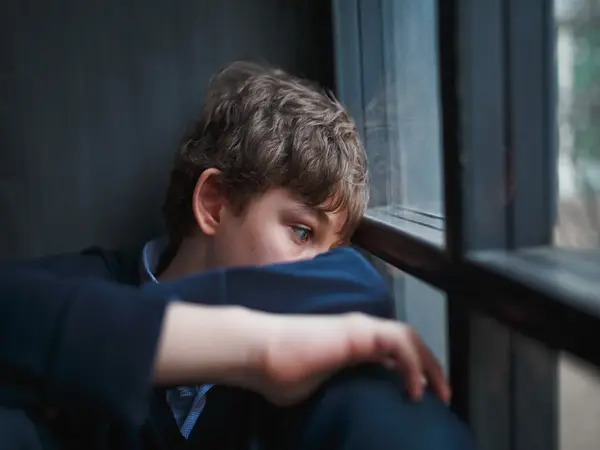
11 Dec The Quiet Cry: How Childhood Depression Develops and How to Help!
Depression is widely misconstrued as a disorder of adults only, but it is still considered the most severe mental health issue among children.
One of the major contributors to this misconception is the viewpoint of children as beings without any concerns and, hence, incapable of being depressed.
Although they are very young, children may experience deep sadness, be tormented by feelings, and even think that there is no way out.
One of the main obstacles in dealing with such kids is that they may not be able to verbalize their emotions at times.
Knowing the symptoms of depression in children, causes, and treatment options helps parents and caregivers support their kids, get them help when needed, and prevent the disorder from developing.
Note: Depression Treatment Center In Patna can provide specialized professional care for affected children.
Depression In Children Definition
Depression is one of the most serious mental disorders, and it can actually transform a child’s life in the way of thinking, feeling, and behaving.
It is a condition that one might not consider very serious, but the person who suffers from it is living through a rather noisy experience of nothingness, irritability, or despair.
In a way, depression can really bring people down to the point where one cannot feel the attraction to any kind of activity he/she used to love, such as playing video games, going to parties, or even attending school.
This is especially true when it comes to depression in children under 10, where the signs can be subtle but deeply impactful.
The illness can influence different aspects of a child’s life. The child may feel that he/she has a lot of feelings inside, feeling guilt, or being totally out of touch with his/her feelings.
He/she may also be withdrawing more and more from everybody and everything, losing his/her interests, or being angry all the time.
The child may also complain of headaches, stomachaches, fatigue, or have irregular sleeping patterns as physical symptoms of his/her depression.
These patterns are commonly observed in depression in children and young people, where emotional struggles show up in both behavior and physical health.
Furthermore, depression has a very strong and adverse effect on a child’s thought process.
It might be that the child cannot follow school lessons, forgets what he/she has learned, or even struggles with the most basic decisions.
In extreme cases, he/she may think of himself/herself as worthless or develop a very poor and negative self-image.
These are often signs of clinical depression in children, a more severe form that affects deep-seated thinking and daily functioning.
Besides, depression can also rob the child of his/her usual activities and make even the simplest task unbelievably hard to accomplish.
Nonetheless, it must be pointed out that depression is not a sign of weakness or bad character.
Conversely, it is a health problem that needs to be handled with caution, patience, and proper treatment.
Children can recover and be happy and healthy with early support.
Is Depression In Children Common?
The occurrence of depression in kids is still a common issue, and most people do not recognize it at all.
Unlike adults, who often talk about their feelings, children may feel the same way but show their pain quietly, making it hard to see.
Depression in children statistics have been shown through research that even very young children can have the symptoms of depression, sometimes as early as 3 to 5 years.
The only difference with depression in children vs adults is the way it is manifested; however, it’s still the same in terms of the intensity of its emotional impact.
With the age of the children, signs of depression become more easily detected.
School-age children may show mood changes, get easily annoyed, do poorly in school, or pull away from their family and friends as signs of depression.
Teenagers find it harder to deal with depression because it often comes from changing hormones, pressure from friends, social expectations, and school stress all at the same time.
It is the experts’ opinion that there will be millions of children worldwide during their lifetimes who will have this condition, with varying degrees of severity.
These problems do not depend on how the child was raised—depressed kids can come from all kinds of families, cultures, and money situations.
The sad part is that many cases go unnoticed because parents or caregivers think the child is just being naughty or has a small issue.
It is very important to diagnose depression early because not treating it can harm a child’s learning, feelings, and social skills.
If signs of depression in children are noticed early, the child will get the help they need for treatment, leading to quicker recovery and a healthier life.
Common Types of Depression in Children
Depression in children and adolescents are categorized based on the severity, duration, and specific pattern of symptoms.
The main types diagnosed in this age group are:
1: Major Depressive Disorder (MDD)
Major Depressive Disorder is the most severe form of depression that can affect kids and the most unlit part of their emotional world.
During the day, the little ones might feel a whole range of emotions, which can include sadness, nothingness, or even a feeling of being tired with the world.
Irritability, however, is a very frequent feeling, and even the smallest issues can result in an outburst of anger or crying.
They quit doing activities that used to be very enjoyable for them, such as playing, painting, or even sports.
Among the possible physical symptoms are, but not limited to, tiredness, lack of sleep, or sleeping too much.
They might be the first ones to complain: “My tummy hurts,” “Head so bad I can’t think,” or “I’m achy all over.”
Their school grades may go down because they cannot focus on the lesson.
In the rarest situations, kids may have thoughts about harming themselves, which would mean that help should be given immediately.
MDD can affect the person profoundly and frequently needs professional help.
2: Persistent Depressive Disorder (Dysthymia)
Dysthymia is a psychological condition that is a kind of major depression, but with less repetitive symptoms and a longer duration.
The first symptoms might be less severe, but they persist for a minimum one-year period.
The kids might be seen as always sad, never thrilled with anything, and showing no engaging feelings towards anything that is going on around them.
They might be having a hard time during all the fun getting laughter and fun times with their friends having very low energy and less than normal motivation.
Also, they might still find it hard to do schoolwork even if they put in the effort and their best attempt.
Feelings of inferiority are quite usual, and kids may have the thought “I am not fit for anything“.
The long duration of symptoms might lead the parents to believe that the behaviour is part of the child’s character.
The child’s condition may not become more severe if early diagnosis is done.
3: Seasonal Affective Disorder (SAD)
Basically, Seasonal Affective Disorder is related to the seasons; it usually happens in the wintertime.
One of the causes that might be related to this disorder is the reduced sunlight, which in turn leads to a decrease in the person’s mood and energy levels.
Children may be affected in a way that they feel tired most of the time, and want to sleep and be alone.
Additionally, they will be the least likely to take part in any outdoor activities.
It is possible that their cravings for sweets or meals like pasta, bread, etc., increase.
In most cases, light therapy and changes in the daily activities schedule work together to improve the situation.
4: Adjustment Disorder with Depressed Mood
This group affects children who have a hard time coping with major life transitions.
Children may suffer from emotional problems and behavior disorders in case of relocation to a new town, a divorce, or the death of a dear one.
These kids might go through a whole range of feelings from being overwhelmed and sad to anxious and confused.
Behavioral changes may include crying, irritability, or withdrawal.
Stress and emotional issues, thus, a decline in the child’s school performance.
A large number of children get back to normal with the help of therapy and support within months.
It is important to seek a professional evaluation for an accurate diagnosis, as depression can also co-occur with conditions like anxiety disorders or ADHD.
Consulting a qualified psychiatrist doctor in Patna Bihar can help ensure the right assessment and treatment.
Depression In Children Symptoms
Depression in children presents differently than in adults, often manifesting more as irritability and behavioral problems rather than just overt sadness.
For a diagnosis of Major Depressive Disorder, symptoms must be present for at least two weeks and represent a change from the child’s previous functioning.
Here is a breakdown of common depression in children signs across different categories:
1: Persistent Sadness or Crying
Kids are able to stay sad for months with no reason at all, and they will not want to speak.
They may cry a lot or change their moods, which are some of the signs they might show.
2: Irritability or Anger
Children’s behavior reflects more than that of adults, who often suffer silently; adults’ reactions are mostly internalized, while children express their feelings by getting easily annoyed.
They might act like a baby or lose their cool very fast, even for little things.
3: Loss of Interest in Activities
Playing, having fun, and any other things that have been the child’s source of happiness might no longer be so.
He or she may look like one who is bored or not interested at all.
4: Social Withdrawal
Children would rather muffle their presence and sit alone than be with friends, family and take part in different activities.
5: Fatigue and Low Energy
The child who is depressed will say he/she is tired even after a long sleep and will be very drained just by getting ready for school.
6: Sleep Disturbances
Bedtime might be difficult for them, they might wake up several times during the night, and later on, wind up sleeping longer than usual.
The resulting bad sleep will adversely impact both their mood and learning ability.
7: Changes in Appetite
Some kids might stop eating altogether, while others will increase their consumption, especially of comfort foods, which will be more than their usual intake.
8: Poor Concentration
The child might have a very hard time paying attention to his/her studies, doing homework, or even remembering what the teacher said.
9: Guilt or Worthlessness
Children may feel guilty for all that they have no power over.
They can also convey such thoughts as “I’m a bad kid” or “Nothing can change for the better.”
10: Somatic Disorders
There may be no medical reason for headaches, stomach aches, or body aches, but these are the most common physical symptoms associated with depression.
11: Death or Self-Injury Ideation (Very Rare Cases)
Certain children might express their desire to disappear or hurt themselves.
Such a situation should be considered a crisis and, hence, be dealt with through immediate professional intervention.
If you notice that your child is showing several of these symptoms, and they continue for two weeks or longer—making everyday life difficult at home, in school, or with friends—it’s a good idea to reach out for help.
Speaking with a pediatrician, a school counselor, or a qualified mental health professional can make a big difference.
You can also consult experts like Dr. Vivek Pratap Singh, best psychiatrist in Kankarbagh Patna, who specializes in supporting children and adolescents.
What Causes Depression In Children?
The causes of depression in children and adults are complex and not fully understood, but experts agree that it is rarely due to a single factor.
Instead, it results from a complex interaction of biological, environmental, and psychological factors.
Here is a breakdown of depression in children causes and risk factors:
Biological Aspects
One of the main reasons for childhood depression is biological factors.
The interplay of the brain’s mood chemicals can lead to both positive and negative feelings and behavior in the child.
Some children might have an inborn tendency for more intense emotions.
During development, hormonal shifts might contribute to mood swings.
All these aspects can make a child easily get into the cycle of depression.
Family Ancestry
Hereditary factors have a significant impact on mental health.
The kids whose parents, brothers, or sisters, or any close relative, are suffering from major depressive disorder have a greater chance of being affected by it.
They might acquire genetic predispositions for certain traits or emotional habits.
It is also the case that living with a depressed person may create a negative emotional climate for the child.
The interaction between genetics and environment is such that they increase the probability of depression occurrence.
Trauma or Stress
Very serious mental health issues can arise from extremely stressful situations happening in a child’s life.
Bullying or punishment at school, combined with neglect, can cause lasting emotional harm to a child.
The unfortunate separation of parents, divorce, or the death of a family member brings the most profound grief.
Recurrent stress makes it very hard for kids not to feel insecure and emotionally unstable.
Chronic Illness
The link between mental and physical health is very strong.
If the child has a disease that limits him/her physically or suffers from asthma, diabetes, epilepsy, etc., he/she might fall into depression.
A child may feel powerless due to the doctor’s frequent visits and reliance on medicines.
The long-term ill child may lose his/her self-confidence and a sense of control over his/her life.
Environmental Factors
A child’s emotional health is largely influenced by factors such as the living environment.
The school that has high academic expectations, the one that is full of stress, and with strict rules, can ruin a child’s emotions.
A family quarrel, money problems, or frequent moving may indirectly cause a child to be stressed more.
Low Self-Esteem
One of the most important factors affecting the child’s emotional health is self-esteem.
A person who considers themself not worthy, different, or lacking support can exhibit signs of depression.
A child who is diagnosed with depression might be in this state because they lacks school performance, has trouble establishing friendships, or is socially rejected.
Diagnosis of Depression in Children
Diagnosing depression in children and teens is a careful, step-by-step process — it’s based on conversations, observations, and standard clinical guidelines rather than a single test.
Typically a child psychologist, psychiatrist, or a trained pediatrician will lead the evaluation.
Below are the main parts of that diagnostic process:
Detailed Interviews with the Child and Parents
Diagnosis is the result of open clinical talks.
Mental health workers have a dialogue with the kid to get a feeling of their emotions, thoughts, and day-to-day life.
Moms and dads inform about the child’s behavior, school, sleeping, and home aspects.
These talks aid in spotting the signs and causes of depression.
Behavior Observation
Child’s behavior is monitored by experts in different environments.
Teachers, nursery staff, or school psychologists may give information about the child’s changes in the classroom activities, socializing, or focusing.
Through watching the child during play, the manner of communication, and the way they reacts emotionally, the mental state of the child is understood.
Psychological Tests
Psychological evaluations assess mood, cognition, and conduct.
The tests may consist of completing questionnaires or performing some tasks that are meant to indicate emotional difficulties.
These methods clarify if the child is suffering from one or more conditions, like depression, anxiety, etc., that are interrelated.
Medical Evaluation
Pediatricians examine the child’s past medical treatments to rule out the chance of any disease causing the symptoms.
Problems such as hypothyroidism, lack of vitamins, or poor sleep can all lead to symptoms similar to depression.
A check-up rules out the possibility of depression being an effect rather than the cause of a medical condition.
Early Diagnosis Importance
The earliest possible diagnosis is necessary for the best result.
It stops the development of symptoms and assists the children to get the right treatment at the right time, which in turn results in better academic performance and emotional growth.
The earlier the help, the stronger the future coping skills will be.
Depression In Children Treatment
Treatment for childhood depression typically involves a combination of psychotherapy (talk therapy) and, in some cases, medication.
The choice of the best treatment depends on the child’s age, how serious the depression is, and other things affecting their situation.
1: Psychotherapy
Psychological therapy is the most effective treatment for children’s depressive states.
- Cognitive Behavioral Therapy (CBT): This therapy helps children recognize their negative thoughts and change them to more positive ones. It also teaches them useful skills and ways to handle problems.
- Play Therapy: Young children often find it hard to talk about their feelings. In play therapy, they can share their emotions through toys, drawings, and games.
- Family Therapy: Having parents involved usually leads to better results. Therapists help parents understand and manage their children’s feelings, and improve communication and support at home.
2: Medication
If the case is moderate to severe, the use of medication might be the only solution.
Child psychiatrists might prescribe antidepressants to alter the levels of certain brain chemicals back to normal.
Counseling is commonly used in conjunction with the pills for a better outcome.
The regular health checks are obligatory to monitor the safety, the correct dosage, and the effect.
It is expected that parents will strictly follow the medical advice during the whole time of treatment.
3: Lifestyle Changes
Health habits that are good play a big role in the process of healing.
- Routine Physical Activities: The body, through doing exercise, gets rid of the chemicals that are responsible for the bad mood and stress, and that is why it is considered a mood enhancer.
- Good Sleep: A consistent sleep pattern is very helpful in controlling emotions and sharpening the mind.
- Proper Diet: A balanced and nutritious diet is one that keeps both the brain and the body healthy.
- Limited Screen Time: Reducing device use, especially before bedtime, helps improve mood and sleep quality.
- Emotional Support: A caring and steady home with kind and patient people helps the child feel safe. Teachers and family should talk openly and give support.
Conclusion
Depression disorder in children, while extremely disturbing, is a treatable condition that many children can overcome with the right intervention.
Timely diagnosis, appropriate therapy, professional guidance from a qualified child psychiatrist in Patna, like Dr. Vivek Pratap Singh, and consistent emotional support are crucial factors in helping children recover and thrive.
Parents, teachers, and caregivers detect issues early, seek help, and foster a healing environment for kids.
With support, patience, and the right care, children with depression can feel happy again, build their confidence, and live healthy lives.
FAQs
1. What Is The 3 3 3 Rule For Children?
The 3-3-3 rule is a very straightforward and easy-to-recall grounding method that is used to help in the reduction of anxiety.
A child simply should name 3 objects they can see, 3 sounds they can hear, and then they are allowed to move 3 parts of their body.
This method keeps them in a state of calmness and concentration.
2. What Is A Red Flag In Child Development?
A red flag is a signal that indicates a child’s progress might be slower than expected.
Signs include delayed speech, being alone, strong emotions, lost skills, and trouble making eye contact.
3. What Is The 7 7 7 Rule Parenting?
The 7-7-7 rule advocates for time planning so that family and personal habits are equally distributed:
- 7 minutes of peaceful conversation with your child
- 7 minutes of vigorous playing
- 7 minutes of teaching or imparting something important
It is a wonderful way to strengthen the bond between the parents and the kids.
4. How Early Can Depression Start In Children?
Depression can be noticed in children as young as 3 years old, but it is more often seen in school-aged kids and teenagers.
5. Can A 5 Year Old Have Depression?
Yes. A 5-year-old can experience depression. They may show it through irritability, frequent crying, loss of interest in play, or physical complaints like stomach aches.
Early support can make a big difference.
6. How To Treat Depression In Children?
Treatment starts with evaluation by a mental health professional.
Primary options are psychotherapy like CBT or IPT; antidepressants (e.g., fluoxetine) may be added for severe cases, with close monitoring.
7. Can Depression In Children Be Cured?
Yes, it’s highly treatable—many children achieve full remission with early therapy and/or medication.
Some may have recurrences, but timely intervention often leads to lasting recovery.
8. What Is Depression In Children Called?
It’s called major depressive disorder (or clinical depression), using the same DSM criteria as in adults.
It can also be persistent depressive disorder (dysthymia).
9. What Does Depression In Children Look Like?
It often shows as irritability, anger, or sadness, plus withdrawal, appetite/sleep changes, physical complaints, and poor concentration.
Symptoms persist for weeks and disrupt school, social life, and daily activities.
No Comments