
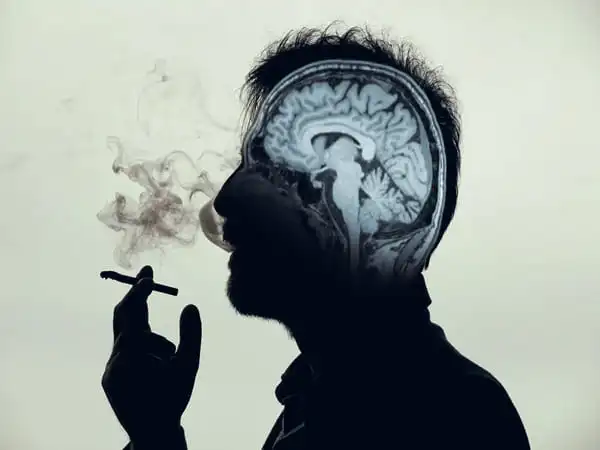
22 Dec How Nicotine Affects the Brain: From Adolescence to Adulthood
Nicotine is the top-ranked addictive substance worldwide in terms of the number of users.
Most people associate nicotine only with cigarette smoking, but it is also present in electronic smoking devices, chewing tobacco, and nicotine replacement therapies such as gums, patches, and lozenges.
As awareness grows, many people now ask important questions such as does nicotine affect brain function and does nicotine affect brain performance beyond its immediate effects.
Because nicotine directly affects brain neurotransmitters, it can quickly influence a person’s thinking, feelings, and behavior.
Many users believe nicotine improves attention, reduces stress, or helps them relax. However, the reality is far more complex.
Nicotine alters brain chemistry within seconds of use.
Long-term exposure can lead to addiction, mood swings, sleep disturbances, impaired concentration, and reduced emotional control.
Adolescents are particularly vulnerable because their brains are still developing.
Knowing how does nicotine affect brain chemistry helps people make good choices and see when they might need help from a professional.
This blog explains what nicotine is, its short- and long-term effects on the brain, its relationship with mental health, nicotine withdrawal symptoms, and how recovery occurs after quitting.
What Is Nicotine?
Nicotine is a naturally occurring chemical found in tobacco plants.
It is a stimulant and the primary reason tobacco products are addictive.
Within the first minute after smoking, vaping, or using nicotine in any form, it enters the bloodstream and reaches the brain.
Once in the brain, nicotine binds to nicotinic acetylcholine receptors.
These receptors normally respond to acetylcholine, a neurotransmitter involved in attention, memory, and learning.
Because nicotine closely mimics this natural chemical, it exerts a powerful influence on brain function.
Nicotine activates the brain’s reward system, producing feelings of alertness and pleasure.
This pleasurable response increases the desire to use nicotine repeatedly, eventually leading to dependence and addiction.
Does Nicotine Affect Brain Chemistry?
YES! Nicotine addiction directly affects the chemistry of the brain in a very strong way.
Once it reaches the brain, it stimulates the release of several neurotransmitters that control mood, focus, and emotional responses.
These chemical changes occur rapidly, which explains why nicotine produces immediate mental and physical effects.
1: Dopamine
It is responsible for pleasure and reward, is released in large amounts after nicotine use.
This creates a feeling of satisfaction and reinforces the desire to repeat the behavior.
Over time, the brain begins to associate nicotine use with pleasure and relief.
2: Norepinephrine
Enhances alertness and concentration, is also released.
This leads to temporary improvements in focus, reaction speed, and mental energy, making users feel more attentive and awake for a short period.
3: Serotonin
A neurotransmitter that influences mood and emotional balance, is affected by nicotine as well.
Changes in serotonin levels may explain why users initially feel calmer or emotionally uplifted, followed by mood instability when nicotine levels decline.
4: Endorphins
It help reduce pain and anxiety, are released during nicotine use.
This contributes to the short-term sense of relaxation or stress relief that many users experience.
The sudden and repeated release of dopamine is the main reason nicotine is considered highly addictive.
With continuous exposure, the brain adapts by reducing its natural dopamine production or decreasing the sensitivity of its receptors.
This means higher or more frequent nicotine intake is needed to achieve the same effect.
As a result, users may feel irritable, restless, low in mood, or mentally unfocused when nicotine is absent.
This leads to a cycle in which nicotine is no longer used for pleasure but to prevent discomfort and emotional imbalance caused by withdrawal.
Short-Term Effects of Nicotine on the Brain
Does nicotine affects the brain? YES, when nicotine enters the body—especially via inhalation—it reaches the brain in as little as 10 to 20 seconds.
Its short-term effects are a result of it mimicking a natural neurotransmitter, resulting in a rapid “surge” of chemical activity.
Here are the primary short-term effects of nicotine on the brain:
Increased alertness and focus
Nicotine stimulates brain regions involved in attention and arousal by increasing the release of neurotransmitters such as norepinephrine and dopamine.
This heightened brain activity can make users feel more awake, attentive, and mentally sharp for a brief period.
Because of this effect, some individuals believe nicotine improves productivity or cognitive performance.
However, this increase in focus is temporary and often followed by mental fatigue once the effect wears off.
Mood changes
Nicotine triggers the release of dopamine and endorphins, which can create a short-lived sense of pleasure, relaxation, or reduced stress.
This may give users the impression that nicotine helps manage anxiety or emotional discomfort.
However, as nicotine levels fall, the brain reacts with irritability, restlessness, or low mood, leading to emotional fluctuations throughout the day.
Faster reaction time
Some studies suggest that nicotine may briefly enhance reaction time and motor coordination by increasing neural signaling speed.
This effect can result in slightly quicker responses to stimuli, which some users interpret as improved performance.
These changes are subtle and disappear as the stimulating effects of nicotine subside.
Decreased appetite
Nicotine influences hunger-regulating pathways in the brain by suppressing appetite-related signals.
This can temporarily reduce feelings of hunger and delay eating. For this reason, some individuals use nicotine as a means of weight control.
However, this effect is short-term and often reverses after quitting, sometimes leading to increased appetite during withdrawal.
Although these short-term effects may appear positive effects of nicotine on the brain, they do not last long.
As nicotine levels drop, withdrawal symptoms begin, encouraging repeated use and reinforcing the cycle of dependence.
Long-Term Effects Of Nicotine On The Brain
Does nicotine affect the brain long term? Yes, while short-term nicotine use creates a temporary “buzz,” long-term exposure fundamentally alters the brain’s architecture and chemistry.
These changes are particularly profound because nicotine “hijacks” the systems meant for natural rewards like food and social connection.
The long-term effects can be categorized into structural changes, cognitive decline, and mental health impacts.
Addiction and dependence
Nicotine alters the brain’s reward system, making it reliant on nicotine for dopamine release.
This dependence makes quitting difficult and increases the risk of relapse.
Reduced attention and memory
Although nicotine may improve focus briefly, long-term use can impair memory, learning ability, and attention span.
Brain performance declines without nicotine.
Higher risk for adolescents
The brains of teenagers and young adults are still developing.
Nicotine exposure during this period can interfere with brain maturation, affecting impulse control, emotional regulation, and decision-making.
It also increases vulnerability to future substance use disorders.
Lower stress tolerance
Chronic nicotine use weakens the brain’s natural ability to handle stress, making users more dependent on nicotine during everyday challenges.
Increased risk of cognitive decline
Long-term nicotine use, especially through smoking, may increase the risk of cognitive impairment later in life due to prolonged exposure to harmful toxins.
This shows how does nicotine negatively affect the brain.
The Good News: Many of these structural changes are reversible.
Within weeks of quitting, nicotine receptor levels begin to return to normal.
Within months to years, the risk of stroke and cognitive decline begins to align more closely with that of a non-smoker.
Nicotine, Mental Health, and Behavior
Nicotine use and mental health are closely linked.
While many people use nicotine for emotional relief, it often worsens mental health over time.
Nicotine and anxiety or depression
Individuals with anxiety or depression are more likely to use nicotine.
Although it may provide temporary relief, nicotine can increase anxiety and emotional instability in the long run.
Habitual use alters brain chemistry, contributing to mood swings.
Research shows higher rates of depression, panic disorders, and chronic stress among individuals with nicotine dependence.
The stress–addiction cycle
Nicotine creates the illusion of stress relief.
When nicotine levels drop, withdrawal symptoms such as irritability and tension appear.
Using nicotine again relieves these symptoms temporarily, reinforcing the false belief that it reduces stress.
Impact on sleep and emotional control
Nicotine’s stimulating effect disrupts sleep cycles.
Poor sleep affects emotional regulation, decision-making, and mental health.
Heavy users often experience insomnia, fatigue, and frequent mood changes.
Nicotine Withdrawal and the Brain
When someone stops using nicotine, the brain undergoes a profound “recalibration.”
Long-term use changes how the brain is built, so stopping is not only a mental challenge—it is also a physical reaction to the sudden lack of a chemical that the brain needs to stay balanced.
1. Common Withdrawal Symptoms
Withdrawal symptoms typically begin within 4 to 24 hours, peak around day 3, and gradually subside over 2 to 4 weeks.
- Emotional: Irritability, anxiety, depression, and “short fuse” frustration.
- Cognitive: “Brain fog,” difficulty concentrating, and impaired memory.
- Physical: Headaches, increased appetite (weight gain), insomnia, and fatigue.
- Somatic: Cravings, tremors, and sometimes “nicotine flu” (sore throat or coughing as lungs clear).
2. Why Cravings Occur: The “Starving” Receptor
Cravings are the brain’s way of demanding a return to the chemical status quo.
Upregulation:
A smoker’s brain grows billions of extra nicotinic receptors to handle the constant nicotine. When you quit, these receptors are suddenly “empty.”
The Dopamine Deficit:
Nicotine keeps dopamine levels high. Without nicotine, dopamine levels drop a lot, causing a feeling called anhedonia, where nothing feels good.
This makes smoking a cigarette feel like the only way to feel normal.
Cues and Triggers:
The brain’s hippocampus and amygdala link nicotine to specific environments (e.g., driving, coffee, stress).
When you encounter these cues, the brain automatically prepares for a nicotine surge, triggering an intense “psychological” craving.
3. How the Brain Recovers
The brain is remarkably plastic and begins to normalize as soon as nicotine intake stops:
- Receptor Reset: Within 3 to 4 weeks, the excess nicotinic receptors created during addiction begin to disappear, returning to the levels of a non-smoker.
- Dopamine Balance: After 1 to 3 months, your brain’s natural reward system stabilizes, allowing you to feel pleasure from everyday activities without a chemical boost.
- Structural Repair: Over several months, the prefrontal cortex strengthens, improving your impulse control and reducing the intensity of psychological triggers.
Treatment and Support for Nicotine Addiction
Nicotine addiction is treatable, and many people successfully quit with appropriate support.
- Behavioral therapy: Counseling helps identify triggers, manage cravings, and develop healthier coping strategies.
- Nicotine replacement therapy (NRT): Gums, patches, lozenges, and inhalers provide controlled nicotine doses to reduce withdrawal symptoms while quitting smoking or vaping.
- Medications: Certain prescription medications reduce cravings and block nicotine’s pleasurable effects.
- Lifestyle changes: Regular exercise, proper sleep, balanced nutrition, and stress management support brain recovery and reduce relapse risk.
- Support groups: Peer support provides motivation, accountability, and shared experiences, making quitting easier.
Role of Deaddiction Center in Patna
Quitting nicotine can be challenging due to physical dependence, psychological cravings, and underlying mental health concerns.
A specialized de addiction center in Patna provides structured support to manage withdrawal, identify triggers, and build healthier coping strategies.
Pratap Neuro & Child Psychiatry Clinic, under the guidance of Dr. Vivek Pratap Singh (a top neuropsychiatrist and deaddiction specialist in patna), offers comprehensive care for nicotine and substance dependence, focusing on brain health and emotional well-being.
The clinic provides daycare deaddiction services, allowing patients to receive treatment without hospital admission.
Personalized plans may include counseling, behavioral therapy, medications, and lifestyle interventions.
One of the key advantages of seeking help at best nasha mukti Kendra in patna is the integration of mental health care with addiction treatment.
This is especially important for individuals who use nicotine to cope with anxiety, stress, depression, or sleep problems.
Addressing these underlying issues improves long-term recovery outcomes.
When to Seek Professional Help?
Professional help is recommended if:
- You are unable to quit despite multiple attempts
- Nicotine use worsens your mental health
- Withdrawal symptoms are severe
- You rely on nicotine to cope with anxiety or depression
- You are using other substances
Mental health professionals can create a treatment plan that addresses both addiction and emotional well-being.
In such cases, consulting a mental health professional or a top deaddiction center in Patna can help create a personalized recovery plan.
Conclusion
Nicotine may provide brief relief or mental clarity, but over time it alters brain chemistry, increases addiction risk, and negatively affects mental health.
Rather than truly reducing stress, nicotine creates dependency and repeated cravings.
Many people wonder does nicotine affect brain cells.
While it may not directly destroy them, long-term nicotine use disrupts healthy brain communication and emotional regulation.
Another common concern is does nicotine affect brain development, particularly when exposure begins early.
This is especially important when considering how does nicotine affect adolescent brain development, as the developing brain is more vulnerable to long-lasting changes related to impulse control, mood, and addiction.
The good news is that after quitting, the brain can gradually recover, leading to improved mood, focus, and overall mental well-being.
FAQs
1. Does Nicotine Affect Intelligence?
Nicotine does not improve intelligence or cognitive ability.
While it may temporarily sharpen focus or alertness, long-term nicotine use can negatively affect attention, memory, learning capacity, and overall brain efficiency.
2. Does Nicotine Kill Brain Cells?
Nicotine does not directly kill brain cells. However, chronic use interferes with normal brain signaling, disrupts neurotransmitter balance, and affects how brain cells communicate, which can impair brain function over time.
3. Does Nicotine Change Your Brain Permanently?
Nicotine can cause lasting changes in brain chemistry, especially with long-term use or early exposure.
Most of these changes are reversible after quitting, but recovery may take weeks to months depending on duration and intensity of use.
4. Does Nicotine Damage The Brain?
Yes, prolonged nicotine use can damage normal brain functioning by altering mood regulation, stress response, and cognitive processing.
The effects are more pronounced in adolescents and young adults whose brains are still developing.
5. Does Nicotine Lower IQ?
There is no strong evidence that nicotine directly lowers IQ scores.
However, it can impair academic performance, concentration, and learning ability, which may indirectly affect intellectual outcomes, especially in students.
6. Does The Brain Heal After Quitting Nicotine?
Yes, the brain has a strong capacity to heal.
After quitting, dopamine balance gradually improves, nicotine receptors decrease, and mood, focus, and stress tolerance begin to normalize over time.
7. Why Is Nicotine The Smart Drug?
Nicotine is sometimes labeled a “smart drug” because it can briefly enhance alertness and attention.
However, these effects are short-lived and come with a high risk of addiction, withdrawal symptoms, and long-term harm to brain health.
8. Does Nicotine Affect Brain Fog?
Yes, nicotine can contribute to brain fog, especially with long-term or frequent use.
While it may briefly improve alertness, repeated nicotine exposure disrupts dopamine balance, sleep quality, and stress regulation, which can worsen mental clarity, focus, and cognitive fatigue over time.
9. Does Nicotine Affect Brain Tumor?
Nicotine is not directly linked to brain tumors. However, it can help cells grow and create new blood vessels, which might help tumors grow.
Tobacco products also contain carcinogens that increase the overall cancer risk, making nicotine use unsafe for brain health.
10. Does Nicotine Affect Brain Waves?
Yes, nicotine alters brain wave activity by stimulating the central nervous system.
It increases beta brain waves associated with alertness and concentration while reducing slower waves linked to relaxation and sleep.
11. How Does Nicotine Affect The Brain Of An Adolescent?
Nicotine disrupts the normal growth of the teenage brain, which is still making important connections for focus, impulse control, decision-making, and handling emotions.
Using nicotine at a young age can raise the chances of long-term addiction, mood problems, less ability to handle stress, and a greater risk of using other drugs in the future.
12. How Does Nicotine Affect The Brain And Body?
Nicotine makes the brain feel good and more awake, which can help with focus and pleasure for a short time.
However, it can also lead to needing it more and feeling bad when not using it.
In the body, nicotine increases heart rate and blood pressure, raises stress hormones, disrupts sleep, reduces appetite, and puts stress on the heart.
No Comments