
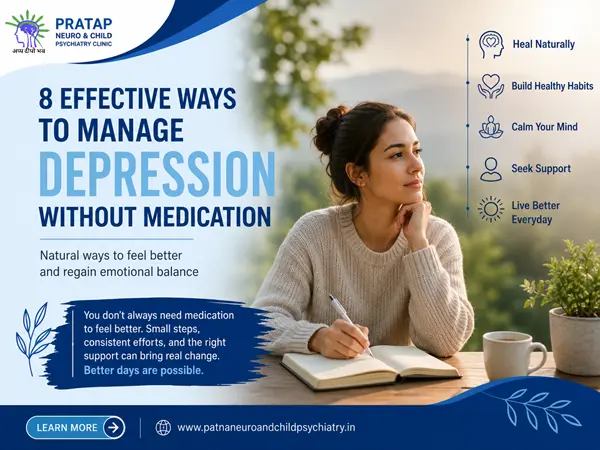
27 Aug 8 Effective Ways To Manage Depression Without Medication
Depression affects more than just your mood.
It can drain your energy, affect your thinking, and make everyday tasks feel overwhelming.
While medication is an effective treatment for many people, it is not always the first option.
Depending on the severity of symptoms, some individuals may benefit from therapy, lifestyle changes, and healthy coping strategies.
If you’re wondering how to deal with depression without medication, the right combination of professional support and daily habits is one of the most effective natural ways to manage depression.
However, self-help methods work best after a proper mental health evaluation.
If your symptoms are persistent or worsening, seek support from a qualified mental health professional to find the most appropriate treatment plan.
What Does Depression Feel Like?
Depression is more than feeling sad for a few days.
It is a mental health condition that affects your emotions, thoughts, physical health, and daily life.
Many people experience persistent sadness, low energy, or a loss of interest in activities they once enjoyed.
Everyday tasks may start feeling exhausting, even when there is no clear reason.
You may struggle to concentrate, feel hopeless, lose confidence in yourself, or withdraw from family and friends.
Some people feel emotionally disconnected even when they are surrounded by loved ones.
Depression can also cause physical symptoms.
Changes in sleep, appetite, energy levels, and unexplained body aches are common.
These symptoms can make it difficult to manage work, studies, relationships, and other daily responsibilities.
Everyone experiences depression differently.
For some people, symptoms develop gradually, while others notice a sudden change in their mood, behaviour, and overall well-being.
If these symptoms last for more than two weeks or begin to interfere with your daily life, it is important to seek professional help.
Can Depression Be Treated Without Medication?
Yes, in many cases, depression can be managed without medication, especially when symptoms are mild to moderate.
Therapy, healthy lifestyle changes, and strong emotional support can help improve mood and overall well-being.
However, there is no single approach that works for everyone.
The right treatment depends on the severity of symptoms, how long they have been present, and their impact on daily life.
Non-medication treatment for depression often includes psychotherapy, regular physical activity, better sleep habits, stress management, and healthy coping strategies.
These approaches can help people build long-term skills to manage their symptoms.
Medication may still be recommended for severe depression or when symptoms do not improve with self-help strategies alone.
Never stop or avoid prescribed medication without consulting a qualified mental health therapist.
The following strategies can help you manage depression naturally and support your recovery when used consistently.
Effective Ways To Deal With Depression Without Medication
Managing depression without medication often involves a combination of healthy habits, professional therapy, and emotional support.
While these strategies may not provide instant results, practicing them consistently can improve emotional well-being, build resilience, and support long-term recovery.
Here are some practical ways to cope with depression and improve your emotional well-being.
- Start with professional therapy.
- Build a consistent daily routine.
- Stay physically active.
- Improve your sleep habits.
- Challenge negative thought patterns.
- Stay connected with supportive people.
- Practice mindfulness and relaxation techniques.
- Maintain healthy lifestyle habits.
1. Start With Professional Therapy
Therapy for depression is one of the most effective non-medication approaches for managing mild to moderate depression.
It helps you understand your thoughts, emotions, and behaviours while teaching practical skills to cope with daily challenges.
For many people with mild to moderate depression, therapy can improve symptoms and reduce the risk of relapse.
a) Cognitive Behavioral Therapy (CBT)
Cognitive Behavioral Therapy (CBT) helps identify negative thought patterns that contribute to depression.
It teaches you how to replace unhelpful thoughts with healthier ones, improve problem-solving skills, and develop positive coping strategies for everyday situations.
b) Interpersonal Therapy (IPT)
Interpersonal Therapy (IPT) focuses on relationships and communication.
It helps people deal with grief, relationship conflicts, major life changes, or social isolation that may contribute to depression.
Improving these areas can reduce emotional distress and strengthen your support system.
c) Counselling
Counselling provides a safe and confidential space to talk about your feelings without fear of judgement.
A trained mental healthcare provider can help you understand your emotions, manage stress, build resilience, and develop healthier ways to cope with difficult situations.
2. Follow A Consistent Daily Routine
Depression can make even simple daily tasks feel overwhelming.
Following a consistent routine can bring structure to your day, reduce stress, and make it easier to stay productive.
Small, manageable habits can gradually reduce emotional distress and support depression recovery.
a) Maintain A Regular Sleep Schedule
Try to wake up and go to bed at the same time every day.
A consistent sleep schedule helps regulate your body’s internal clock, improves sleep quality, and supports better emotional well-being.
b) Plan Your Day
Create a simple daily schedule instead of trying to do everything at once.
Prioritise important tasks, include short breaks, and allow yourself enough time to rest.
Having a plan can reduce uncertainty and make daily responsibilities feel more manageable.
c) Set Small, Realistic Goals
Break larger tasks into smaller, achievable steps.
Completing even a few simple goals each day can increase confidence, improve motivation, and help you build healthy routines without feeling overwhelmed.
3. Stay Physically Active
Regular physical activity is one of the most effective lifestyle changes for depression.
Exercise encourages the release of mood-boosting chemicals in the brain, helps reduce stress, and improves both physical and mental well-being.
You don’t need intense workouts to experience the benefits. Even small amounts of daily movement can make a difference over time.
a) Walking
A 20–30 minute walk each day can help feel better emotionally, reduce stress, and increase your energy levels.
Walking outdoors may also provide additional mental health benefits through fresh air and natural surroundings.
b) Yoga
Yoga combines gentle movement, stretching, and breathing exercises.
It can help reduce stress, improve emotional balance, and promote relaxation, making it a helpful practice for people living with depression.
c) Stretching
Simple stretching exercises can release muscle tension caused by stress and improve flexibility.
They also help your body feel more relaxed, especially after long periods of sitting or inactivity.
d) Strength Training
Strength training supports both physical and mental health.
Gradually building strength can improve self-confidence, reduce fatigue, and contribute to a more positive mood.
e) How Much Exercise Is Recommended?
Aim for at least 150 minutes of moderate physical activity each week, or about 30 minutes on most days.
If that feels difficult, start with just 10–15 minutes a day and increase your activity gradually.
Consistency is more important than intensity.
4. Improve Your Sleep Habits
Sleep and depression are closely connected. Depression can make it difficult to fall asleep, stay asleep, or wake up feeling rested.
At the same time, poor sleep can worsen low mood, reduce energy levels, and make it harder to cope with daily challenges.
Improving your sleep habits can support both your physical and emotional well-being.
a) Follow A Consistent Sleep Schedule
Go to bed and wake up at the same time every day, including weekends.
A regular sleep schedule helps regulate your body’s internal clock and improves sleep quality over time.
b) Limit Screen Time Before Bed
Avoid using mobile phones, laptops, or watching television for at least one hour before bedtime.
Reducing screen exposure at night can help your brain relax and make it easier to fall asleep.
c) Create A Relaxing Bedtime Routine
Spend the last 30–60 minutes before bed doing calming activities such as reading, listening to soft music, practising deep breathing, or taking a warm bath.
A relaxing bedtime routine signals your body that it is time to sleep.
d) Make Your Bedroom Sleep-Friendly
Keep your bedroom quiet, dark, and comfortably cool.
A comfortable sleep environment can reduce sleep disturbances and help you wake up feeling more refreshed.
5. Challenge Negative Thought Patterns
Depression often causes negative thoughts that can affect how you see yourself, other people, and the future.
These thoughts may feel convincing, but they are not always accurate.
Learning to question and replace unhelpful thinking patterns can enhance overall well-being and strengthen healthy coping strategies over time.
These depression coping techniques can help you respond to negative thoughts in a healthier way.
a) Keep A Thought Journal
Write down negative thoughts as they arise and note what triggered them.
Seeing your thoughts on paper can help you identify repeated patterns and respond to them more objectively.
b) Replace Negative Thoughts With Balanced Ones
Instead of accepting every negative thought as a fact, ask yourself whether there is evidence to support it.
Try replacing self-critical thoughts with more realistic and balanced perspectives.
c) Practice Self-Compassion
Treat yourself with the same kindness and patience you would offer someone you care about.
Avoid harsh self-criticism, accept that setbacks are part of recovery, and focus on the progress you make over time.
6. Stay Connected With Supportive People
Depression often makes people withdraw from family, friends, and social activities.
While spending time alone may feel easier, long-term isolation can make symptoms worse.
Staying connected with supportive people can provide emotional support, reduce loneliness, and help you cope with depression more effectively.
a) Talk To Someone You Trust
Share your thoughts and feelings with a trusted friend, family member, or loved one.
Talking openly about what you’re going through can reduce emotional burden and remind you that you don’t have to face depression alone.
b) Join A Support Group
Support groups bring together people with similar experiences in a safe and understanding environment.
Listening to others and sharing your own experiences can provide encouragement, practical advice, and a sense of belonging.
c) Avoid Isolating Yourself
Even if you don’t feel like socialising, try to maintain regular contact with people who care about you.
A phone call, a short visit, or a simple conversation can help improve your mood and strengthen your support system.
7. Practice Mindfulness And Relaxation Techniques
Mindfulness and relaxation techniques can help calm your mind, reduce stress, and improve emotional well-being.
Practising these techniques regularly may not remove depression completely, but they can help you manage difficult emotions and feel more in control of your thoughts.
a) Practice Meditation
Meditation encourages you to focus on the present moment instead of worrying about the past or future.
Even 10–15 minutes of daily meditation can help reduce stress and improve emotional balance.
b) Try Deep Breathing Exercises
Slow, deep breathing helps relax your body and mind.
It can ease feelings of stress, reduce muscle tension, and promote a sense of calm during emotionally challenging moments.
c) Use Progressive Muscle Relaxation
Progressive muscle relaxation involves tightening and relaxing different muscle groups one at a time.
This technique helps release physical tension and promotes overall relaxation.
d) Practice Mindful Walking
Take a slow walk while paying attention to your breathing, surroundings, and body movements.
Mindful walking combines gentle physical activity with mindfulness, helping you clear your mind and improve your mood.
8. Maintain Healthy Lifestyle Habits
Your daily lifestyle can have a significant impact on your mental health.
Simple habits such as eating nutritious meals, staying hydrated, and spending time outdoors can support your emotional well-being.
While these changes may not replace professional treatment, they can complement other depression self-help strategies and contribute to long-term recovery.
a) Eat A Balanced And Nutritious Diet
A healthy diet provides the nutrients your brain and body need to function properly.
Include fruits, vegetables, whole grains, lean proteins, and healthy fats in your meals.
Eating regular, balanced meals may help maintain steady energy levels and support a stable mood.
b) Stay Hydrated
Dehydration can lead to fatigue, poor concentration, and low energy.
Drinking enough water throughout the day supports your overall health and helps your body function at its best.
c) Limit Alcohol And Substance Use
Some people turn to alcohol or recreational drugs to cope with emotional distress.
However, these substances can worsen depression symptoms, interfere with sleep, and make recovery more difficult over time.
d) Spend Time Outdoors
Getting fresh air and natural sunlight can help improve your mood and reduce stress.
Even a short walk in a park or spending time in a green space each day can have a positive effect on your mental well-being.
Common Mistakes To Avoid While Managing Depression
While self-help strategies can support recovery, certain habits may slow your progress or make symptoms worse.
Avoiding these common mistakes can help you get the most benefit from your treatment and daily coping efforts.
Ignoring Your Symptoms
Many people hope their symptoms will improve on their own.
Delaying treatment may allow symptoms to become more difficult to manage.
If your symptoms persist or worsen, seek professional guidance.
Expecting Immediate Results
Recovery takes time. Lifestyle changes, therapy, and healthy habits usually show results gradually.
Stay consistent and focus on small improvements instead of expecting overnight changes.
Withdrawing From Family And Friends
Depression often makes people isolate themselves, but staying connected with supportive people can improve emotional well-being.
Regular social interaction can make recovery feel less overwhelming.
Comparing Your Recovery With Others
Everyone experiences depression differently.
Comparing your progress with someone else’s may lead to frustration.
Focus on your own goals and celebrate every step forward.
Stopping Treatment Without Professional Advice
If you are receiving therapy or taking prescribed medication, do not stop your treatment without consulting your psychiatrist.
They can help you make safe and appropriate changes to your treatment plan.
Avoiding these common mistakes can improve your chances of recovery and help you get better results from therapy and other self-help strategies.
If your symptoms continue despite these efforts, it may be time to explore depression care in Patna and seek guidance from a qualified mental health expert.
When Should You Seek Professional Help?
Self-help strategies can be helpful, but they may not be enough for everyone.
If your symptoms persist, become more severe, or begin to affect your daily life, seeking professional support is the right step.
Early treatment can help prevent symptoms from worsening and improve your overall quality of life.
You should consider consulting a psychiatric doctor if you:
- Feel sad, hopeless, or emotionally numb for more than two weeks.
- Lose interest in activities you once enjoyed.
- Find it difficult to manage work, studies, or daily responsibilities.
- Notice changes in your sleep, appetite, or energy levels.
- Experience frequent anxiety, irritability, or emotional outbursts.
- Have difficulty concentrating or making decisions.
- Feel isolated from family and friends.
- Have thoughts of self-harm or suicide. In such situations, seek immediate medical help.
A qualified Psychiatrist In Patna can assess your symptoms, identify the underlying cause, and recommend the most appropriate treatment plan.
Depending on your condition, treatment may include therapy, lifestyle changes, medication, or a combination of these approaches.
Professional Depression Care In Patna
Depression is a treatable mental health condition, and the right support can make recovery more manageable.
A proper evaluation helps identify the severity of symptoms and allows treatment to be planned according to each person’s needs.
At Pratap Neuro & Child Psychiatry Clinic, Dr. Vivek Pratap Singh offers comprehensive Depression Treatment In Patna for adolescents and adults.
After a detailed assessment, treatment is planned according to your symptoms, medical history, and individual needs.
It may include psychotherapy, medication when appropriate, lifestyle modifications, and regular follow-up care.
Every person’s experience with depression is different.
Receiving Mental Health Treatment In Patna at the right time can help reduce symptoms, improve daily functioning, and support long-term emotional well-being.
Ready to take the first step toward better mental health? Contact us to schedule your consultation with Dr. Vivek Pratap Singh and learn about the treatment options available.
Conclusion
Learning how to manage depression naturally starts with taking small, consistent steps.
Therapy, regular exercise, healthy sleep habits, mindfulness, and support from loved ones can all play an important role in managing depression.
While these strategies are helpful for many people, they may not be enough for everyone.
If your symptoms continue, become more severe, or begin to affect your daily life, don’t hesitate to seek professional support.
The right guidance can help you find a treatment plan that works best for your individual needs.
These strategies can support depression recovery without medication, although professional care may still be needed for some individuals.
FAQs:
1. Can Depression Come Back After Improving Naturally?
Yes. Depression can return, especially during periods of high stress or major life changes.
Maintaining healthy habits, attending therapy when needed, and seeking timely support can help reduce the risk of relapse.
2. How Long Does It Take To Recover From Depression Without Medication?
Recovery varies from person to person. Some people notice improvement within a few weeks, while others may need several months.
The severity of symptoms, consistency with self-help strategies, and professional support all influence recovery.
3. Is Depression Worse At Certain Times Of The Day?
It can be. Some people feel more depressed in the morning, while others notice their symptoms become stronger in the evening.
These patterns differ from person to person and should be discussed with a mental health clinician if they continue.
4. Can Excessive Screen Time Make Depression Worse?
Excessive screen time may contribute to poor sleep, social isolation, and increased stress, all of which can worsen depression symptoms.
Taking regular breaks and maintaining a healthy balance between online and offline activities may help.
5. Does Loneliness Increase The Risk Of Depression?
Yes. Long-term loneliness and social isolation can increase the risk of depression or make existing symptoms more severe.
Staying connected with supportive family members, friends, or support groups can improve emotional well-being.
6. Can Hobbies Help Manage Depression?
Yes. Activities such as reading, painting, gardening, music, or sports can provide a sense of purpose and enjoyment.
Hobbies may also reduce stress and improve mood when practised regularly.
7. Can I Recover From Depression Without Medication?
Many people with mild to moderate depression improve through therapy, lifestyle changes, and healthy coping strategies.
However, some individuals may require medication depending on the severity of their symptoms.
A mental health professional can recommend the most appropriate treatment approach after a proper evaluation.
No Comments