
16 Apr Social Withdrawal in Childhood: Early Signs Parents Must Know
Every child possesses an individual identity that develops through early social and emotional connections.
When a child begins to avoid social contact, this behavior may signal a deeper issue that needs attention.
Social withdrawal in kids is often silent, yet it can significantly impact their emotional well-being and development.
Parents often feel confused about their child’s behavior, as it can be difficult to decide whether it is just a passing phase or something that needs professional attention.
In many cases, social withdrawal in childhood may reflect underlying emotional or psychological concerns that should not be ignored.
Early identification of signs can lead to positive outcomes that influence a child’s overall growth.
If you notice persistent changes in your child’s behavior, seeking timely guidance from a child psychiatrist in Patna, such as Dr. Vivek Pratap Singh at Pratap Neuro & Child Psychiatry Clinic, can provide the right direction and support.
What Is Social Withdrawal in Kids?
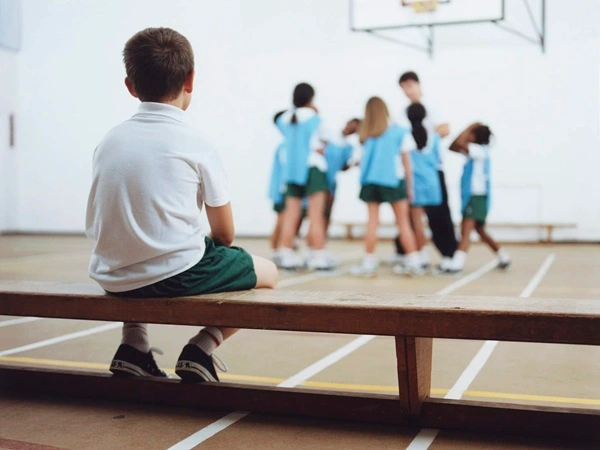
Children who experience social withdrawal behavior tend to avoid social interactions and prefer staying alone most of the time.
While spending some time alone is normal, it becomes a concern when this pattern becomes frequent and affects daily life.
A withdrawn child may avoid socializing with friends, refuse to participate in group activities, and limit communication even with family members.
In social withdrawal in psychology, such behavior is often linked to anxiety, fear, low self-esteem, or negative past experiences such as bullying or rejection.
Over time, this pattern can become a barrier that prevents children from developing essential social skills.
The situation may lead to loneliness, sadness, and frustration if not addressed early.
Social withdrawal kids may not always express their struggles clearly, which is why careful observation and emotional support are important.
Early support helps create a sense of safety, allowing children to feel more comfortable and confident in social situations.
Difference Between Introversion and Social Withdrawal
Introversion is a normal personality trait, while social withdrawal (or social isolation) is a behavioral pattern often linked to emotional distress or mental health concerns.
They can look similar from the outside—both involve spending more time alone—but they differ significantly in motivation, emotional impact, and long-term effects.
Natural Preference vs Emotional Struggle
Introversion is a natural personality trait in which a child prefers calm environments and needs time alone to recharge.
In contrast, social withdrawal is driven by emotional distress, often linked to fear, anxiety, or discomfort in social settings.
Comfort in Social Situations
Introverted children may take time to connect but can participate in social activities when needed.
Socially withdrawn children often feel uneasy in such situations and tend to avoid them completely.
Ability to Form Relationships
Introverted children can build close and meaningful relationships, even with a smaller circle.
Socially withdrawn children face difficulty in forming and maintaining friendships due to avoidance and limited interaction.
These patterns can be seen in various social withdrawal examples, such as avoiding playtime or refusing to engage in conversations.
Emotional State
Introversion does not usually involve negative emotions, and such children are generally stable and content.
Social withdrawal, however, is often associated with sadness, anxiety, low self-esteem, and fear of judgment.
Need for Support
Introverted children typically do not require intervention, as it is part of their personality.
However, social withdrawal needs attention when it starts affecting daily activities, confidence, and emotional balance.
How It Affects Emotional and Social Development?
Introversion and social withdrawal affect how we feel and interact with others in different ways.
Introversion is a stable trait where a person prefers quiet environments.
Social withdrawal is often a harmful behavior caused by stress, fear, or wanting to avoid others, which can hurt healthy growth.
Emotional Expression Problems
Socially withdrawn children often struggle to express their emotions.
They may keep their feelings bottled up, which can lead to frustration, confusion, or emotional distress over time.
These patterns are commonly seen in social withdrawal in childhood and should not be ignored.
Social Skills Development Is Restricted
Regular interaction helps children learn important social skills like communication, sharing, and cooperation.
When a child avoids social situations, they miss out on these learning opportunities, which can impact their confidence while interacting with others.
This kind of social isolation in kids can slow down their overall development.
Loneliness Increases Over Time
Children who lack peer relationships often experience feelings of isolation and loneliness.
A child may want to connect with others but struggle due to a lack of social experience or confidence, which becomes one of the common social withdrawal symptoms.
Self-Esteem Is Affected
Social withdrawal can lower a child’s self-confidence.
They may begin to feel that they are not good enough or that they do not belong, which can negatively affect their self-worth.
These emotional changes are important social withdrawal signs that require attention.
Emotional Problems May Develop
If not addressed, social withdrawal can lead to anxiety, depression, and other emotional challenges over time.
These social withdrawal in kids symptoms can become more serious if the child does not receive proper support.
Early Signs of Social Withdrawal in Kids
Social withdrawal can mean a few different things in childhood—some kids are naturally shy or slow to warm up, while others are pulling back because something feels hard or unsafe.
Early signs of withdrawal in a child often show up as changes from a child’s usual behavior.
1: Avoiding Friends and Social Activities
Children may begin to avoid friends and social activities they once enjoyed.
They might refuse playdates, avoid group games, or show reluctance to attend school events.
Such behavior changes are among the early signs of social withdrawal in kids and may indicate difficulty in social interaction.
2: Preferring to Stay Alone Most of the Time
Spending some time alone is normal.
However, concern arises when a child consistently prefers isolation and spends long periods alone without interest in interacting with others.
These can be early child withdrawal symptoms.
3: Reduced Communication with Family
The child may start communicating less with parents and siblings.
They might give short answers, avoid conversations, and stop sharing their thoughts and feelings, making it difficult to assess their emotional state.
This is one of the noticeable social withdrawal symptoms.
4: Lack of Interest in Play or Hobbies
Children who once enjoyed playing, drawing, or outdoor activities may begin to lose interest in these activities.
This change may reflect emotional distress or a decline in motivation, which can also be linked to social withdrawal signs.
If these signs persist, searching for a child psychiatrist near me or consulting a specialist like Dr. Vivek Pratap Singh can help in early support and better outcomes for the child.
Common Causes of Social Withdrawal in Kids
Social withdrawal can come from many different sources—sometimes it’s a temporary reaction to stress, and sometimes it’s a sign that the child needs extra support.
Here are some of the most common causes:
Anxiety or Fear in Social Situations
Children often withdraw from social situations due to fear of judgment, embarrassment, or rejection.
Social anxiety can make interactions feel overwhelming, leading them to avoid such situations.
These are common social withdrawal causes that need attention.
Bullying or Negative School Experiences
Bullying, teasing, or exclusion at school can have a strong negative impact on a child’s confidence.
To protect themselves from further distress, children may start avoiding social environments, which is frequently seen in cases of social withdrawal child behavior.
Low Self-Esteem or Lack of Confidence
Children who struggle with self-doubt may feel they are not good enough to interact with others.
This lack of confidence prevents them from initiating conversations or participating in group activities and can contribute to long-term social withdrawal effects.
Family Stress or Changes (e.g., relocation, conflict)
Major life events such as moving to a new place, parental conflict, or separation can create emotional stress.
Children may respond by withdrawing socially as a way to cope with these changes.
Such patterns are also observed in social withdrawal in adolescent stages when emotional sensitivity is higher.
Developmental or Mental Health Conditions
Children with conditions such as anxiety disorders, ADHD, or autism spectrum disorder may face challenges in social interaction.
Without proper support, their withdrawal may increase due to difficulty in connecting with others, leading to social isolation kids patterns.
For more details, read about autism in children.
When Should Parents Be Concerned?
Social withdrawal can be totally normal in some children (especially shy temperaments).
Concern is more warranted when the withdrawal is new, deepening, or hurting daily life.
1: Symptoms That Continue for Weeks or Worsen Over Time
Parents should pay close attention if signs of social withdrawal continue for several weeks or become more severe.
Occasional withdrawal may be normal, but persistent patterns may indicate deeper emotional concerns linked to social withdrawal causes.
2: Impact on School Performance or Daily Activities
If a child’s withdrawal begins to interfere with school performance or daily responsibilities, it becomes a concern.
Declining academic results and reduced participation in routine activities require timely attention.
3: Child Showing Signs of Depression or Anxiety
When social withdrawal is accompanied by sadness, constant worry, irritability, or changes in sleep and appetite, it may indicate anxiety or depression.
These combined symptoms need careful observation and timely support.
4: Complete Avoidance of Social Interaction
If a child avoids all forms of interaction, including with close family members, it is a strong signal that professional help may be needed.
Such extreme withdrawal can have serious social withdrawal effects on emotional and psychological development.
If these patterns begin to quietly shape your child’s daily life, it may be the right time to seek guidance from a child specialist.
Gentle support at the right stage—through experts like Dr. Vivek Pratap Singh—can help your child reconnect, regain confidence, and feel comfortable in their own world again.
Impact of Social Withdrawal on a Child’s Development
Social withdrawal can affect children in different ways depending on how long it lasts, how intense it is, and whether the child still has supportive, safe connections (like one trusted friend, a relative, or a caring adult).
When withdrawal is persistent, it can start to interfere with key developmental areas:
Emotional Difficulties
Children who experience withdrawal in child behavior may struggle to manage their emotions effectively.
They may find it difficult to express feelings, leading to emotional distress such as loneliness, frustration, and confusion.
Poor Communication and Social Skills
Children develop communication and social skills through regular interaction.
When a child withdraws, they miss opportunities to learn important skills like conversation, teamwork, and empathy.
These gaps are often explained in social withdrawal psychology, where limited interaction affects overall development.
Academic Challenges
Children who withdraw from social situations may also reduce their participation in classroom activities and group learning.
This lack of involvement can affect their understanding, confidence, and academic performance over time.
Long-Term Mental Health Risks if Untreated
If not addressed, social withdrawal can increase the risk of anxiety, depression, and low self-esteem.
Over time, these may develop into more serious conditions, including patterns linked to social withdrawal syndrome symptoms.
Early support is important to build confidence and emotional resilience.
How Parents Can Help?
Support works best when it is gentle, specific, and low-pressure—you’re not trying to “force them to be social,” you’re helping them feel safer and build skills in manageable steps.
Encourage Open Communication
Parents should create an environment where children feel comfortable sharing their thoughts and emotions.
Avoid forcing conversations; instead, listen patiently and without judgment, especially when noticing early signs of withdrawal in a child.
Create a Safe and Supportive Environment
A child needs to feel emotionally secure at home.
Consistent support, reassurance, and understanding help them feel safe and more willing to express themselves.
Gradually Introduce Social Interactions
Start with small and comfortable social settings, such as one-on-one interactions or playdates.
Gradual exposure helps children build confidence without feeling overwhelmed.
Limit Screen Time and Encourage Activities
Encourage outdoor play, hobbies, and group activities that involve interaction.
These activities can help children slowly improve their social skills.
Praise Small Efforts
Recognizing even small attempts at social interaction can boost a child’s confidence.
Positive reinforcement plays an important role in encouraging better engagement.
Diagnosis and Professional Help
Mental health professionals conduct a detailed assessment to identify social withdrawal in children.
This process includes observing behavior over time and evaluating emotional, social, and developmental patterns.
In cases of withdrawal in child, professionals gather input from parents, teachers, and caregivers to understand behavior across different environments.
A proper evaluation helps determine whether the withdrawal is temporary or linked to underlying concerns such as anxiety, depression, or developmental conditions.
Identifying social withdrawal syndrome symptoms early allows for a more focused and effective treatment plan.
Accurate diagnosis ensures that the root cause is addressed rather than only the visible behavior.
With the right guidance and support, children can improve their social confidence, build relationships, and participate more comfortably in daily activities.
When to Consult a Child Psychiatrist or Psychologist?
Experts advise parents to seek help from a child psychiatrist or psychologist when their child shows persistent social withdrawal that continues to worsen and starts affecting daily life.
If a child avoids social interaction for more than a few weeks, feels extreme discomfort in social situations, or even withdraws from close family members, it may indicate a deeper concern.
Additional signs such as ongoing sadness, anxiety, irritability, changes in sleep or appetite, and a decline in school performance also suggest the need for professional support.
When withdrawal begins after experiences like bullying, trauma, or major life changes, timely consultation becomes even more important.
Seeking help early ensures that the child receives the right support at the right time.
A professional can guide both the child and the family in developing healthier coping strategies and improving emotional well-being.
Social Withdrawal In Kids Treatment
Treatment depends on the cause.
Social withdrawal can happen because of shyness, anxiety, bullying, depression, autism traits, or problems with skills, senses, or language.
The best way to help matches the reason for the withdrawal.
Counseling and Behavioral Therapy
Children benefit from counseling approaches such as Cognitive Behavioral Therapy (CBT), which helps them explore their thoughts and emotions in a safe and supportive environment.
These therapies focus on managing anxiety, improving social skills, and building confidence over time.
Family Therapy if Needed
Family therapy can be helpful when social withdrawal is linked to family-related concerns or communication difficulties.
It creates a supportive space for parents and children to improve understanding, build trust, and work together toward better emotional health.
Addressing Underlying Conditions (Anxiety, ADHD, etc.)
If social withdrawal is connected to conditions such as anxiety, ADHD, or depression, proper evaluation and targeted treatment are important.
Managing the root cause can significantly improve the child’s ability to engage socially.
School Support and Structured Routines
Support from teachers and school counselors plays an important role in helping the child feel comfortable in a learning environment.
Structured routines and gradual participation in activities can help improve confidence and social interaction.
Social Withdrawal in Kids: Prevention Tips for Parents
Here are simple tips for parents to help kids stay social while respecting their natural shyness.
The aim is to support healthy emotional growth by building strong bonds, teaching skills slowly, and creating chances for connection—without pushing them to be outgoing.
1: Develop Strong Parent-Child Connections
Children need parents to spend time with them because it creates feelings of safety, love, and understanding.
This emotional bond helps children express their thoughts more freely and build confidence in social situations.
2: Start Teaching Social Skills from an Early Age
Parents can help children develop social skills by encouraging playdates, group activities, and simple interactions.
Early exposure allows children to naturally learn communication, sharing, and teamwork.
3: Teach Children How to Express Their Emotions
Children should be guided to identify and express their emotions in a healthy way.
When they are able to communicate their feelings, it reduces the chances of internalizing emotions and withdrawing from social situations.
4: Monitor Behavioral Changes
Parents should observe their children for any sudden behavioral changes, including mood swings or new patterns of social behavior.
Identifying these changes early can help provide support before the situation becomes more serious.
Consult a Child Psychiatrist in Patna – Dr. Vivek Pratap Singh
If your child is showing signs of social withdrawal, seeking timely professional help can make a significant difference.
Early guidance helps identify the root cause and allows for a structured and effective treatment plan.
Consulting the best child psychiatrist in Patna like Dr. Vivek Pratap Singh can support your child in overcoming emotional and social challenges.
With over 12 years of experience, he specializes in managing conditions such as social withdrawal, anxiety, depression, ADHD, and behavioral concerns in children.
With qualifications including MBBS (2012) and MD Psychiatry (2018), and experience at institutions like AIIMS Patna and PMCH, he provides structured evaluation and personalized care.
With the right support, children can gradually improve their confidence, communication skills, and overall emotional well-being.
Conclusion
Social withdrawal in children can quietly affect their emotional growth and overall well-being.
With patience, support, and timely attention, children can develop confidence and build meaningful connections.
Creating a safe and supportive environment plays a key role in helping them feel secure and comfortable in social situations.
If these patterns continue, seeking timely guidance can make a meaningful difference.
Support from experienced professionals like Dr. Vivek Pratap Singh top child psychiatrist in patna can help children gradually reconnect, build confidence, and move forward with a stronger sense of self.
FAQs
1. Why Am I So Socially Withdrawn?
People may withdraw from social situations due to emotional stress, anxiety, low self-confidence, or past negative experiences.
It often acts as a way to avoid discomfort, fear, or situations that feel overwhelming.
2. What Are The Symptoms Of Emotional Withdrawal?
Symptoms may include avoiding social activities, reduced communication, and loss of interest in daily activities.
A person may also show mood changes and prefer spending excessive time alone.
3. What Are Signs Of Detachment In Children?
Children may show limited emotional expression and a lack of interest in building relationships.
They may also avoid eye contact, communication, and interaction with others.
4. What Does Withdrawal Look Like In Children?
Withdrawal in children may appear as staying alone, refusing to participate in activities, and remaining unusually quiet.
They may also avoid interacting with friends, family, or even familiar people.
5. What Causes A Child To Lack Social Skills?
Limited social interaction, anxiety, and developmental conditions can affect a child’s ability to develop social skills.
Without proper guidance and support, these challenges may continue to affect their confidence and communication.
6. Is Social Withdrawal Bad?
Social withdrawal is not always bad, as some children naturally prefer spending time alone.
However, when it becomes frequent and starts affecting emotions, relationships, or daily life, it may need attention.
No Comments